When Is It Time to Change My Roof?
I love cars, so let me start with tires.
Nobody waits for a blowout at 70 mph on I-485 to decide it's time for new tires. You check the tread. You notice the car pulling a little. You see the wear bars showing and you think, "alright, I've got maybe one more month of this." You replace them on a Saturday morning at your convenience, on your budget, at a shop you chose.
The people who wait for the blowout don't get any of that. They get a tow truck, a bent rim, whatever tire the shop happens to have in stock, and a bill that's triple what it should have been.
Your roof works exactly the same way. The difference is that a roof gives you far more warning than a tire does — usually five to seven years of it — and most homeowners ignore every single signal until water is dripping onto the dining room table.
So let's talk about how to read the tread on your roof. Below is what actually determines whether you're looking at a repair, a plan, or a replacement, based on what we see across Charlotte every week.
Key Takeaways
- Age is the strongest single indicator. Architectural asphalt shingles in the Charlotte climate typically deliver 20–25 years of real service life, not the 30 or 50 printed on the wrapper.
- Granules in your gutters are the wear bars. If you're pulling out handfuls of sandy grit every time you clean them, the shingle mat is exposed and the clock is running fast.
- Your insurance policy has its own timeline. Many carriers shift older roofs from replacement cost to actual cash value somewhere between 10 and 20 years, and non-renewal risk climbs sharply past 20.
- Repeat repairs on the same roof are a tell. Two or more repairs in three years on a roof over 15 years old is money spent delaying the inevitable.
- Charlotte is hard on roofs. UV load, humidity, heat cycling, an oak canopy that never stops dropping debris, and 30+ severe weather days a year all pull real lifespan below the national average.
- Replacing on your schedule costs less than replacing after a leak, because the leak brings decking, insulation, drywall, and paint along with it.
The Short Answer: How Long Should Your Roof Actually Last?
Manufacturers print big numbers on the wrapper. "Lifetime." "50-Year." "30-Year Limited." Those numbers assume perfect installation, balanced attic ventilation, and a climate that doesn't exist in the Carolinas.
Here's what we actually see holding up on Charlotte homes:
| Roofing Material | Manufacturer Rating | Realistic Charlotte Service Life | Start Planning At |
|---|---|---|---|
| 3-tab asphalt shingles | 20–25 years | 13–18 years | Year 12 |
| Architectural (dimensional) shingles | 30 years to "lifetime" | 20–25 years | Year 17 |
| Designer / luxury shingles | Lifetime | 25–32 years | Year 22 |
| Standing seam metal | 50 years | 40–60 years | Year 35 |
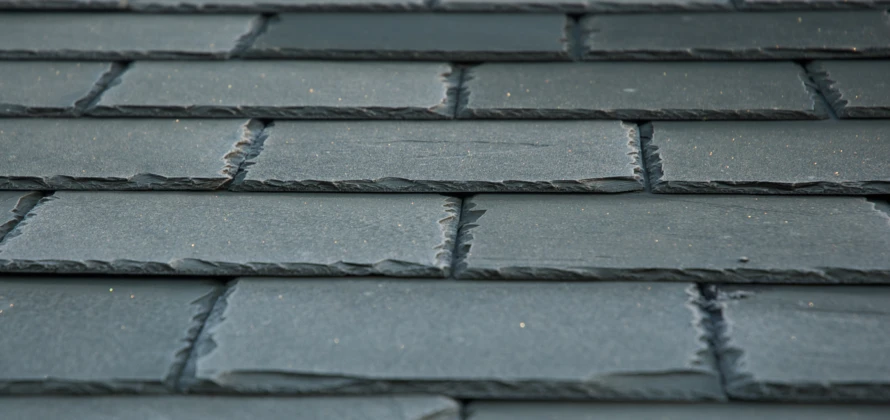
| Slate or natural tile | 75–100+ years | 75–100+ years (flashing fails first) | Flashing at year 25 |
Notice the gap between column two and column three. That gap is not a scam — it's the difference between a lab and a Piedmont summer. Southern roofs run hotter for more months of the year, and heat is what drives the volatile oils out of asphalt. Once those oils leave, the shingle gets brittle, the granules let go, and the mat starts cooking under direct UV.
Pro tip: If you don't know how old your roof is, you have two easy paths. Pull the permit history for your address through Mecklenburg County, or check your closing documents if the seller disclosed it. If neither works, a roofer can usually date a roof within a few years by the shingle profile and the ventilation style alone.
The Nine Signs Your Roof Is Telling You Something
Your car doesn't wait until the engine seizes to tell you something's wrong. It throws a light on the dash. Your roof throws lights too — you just have to know where the dashboard is.
From the ground, with your feet in the yard
- Curling, cupping, or clawing shingles. Edges turning up like a stale potato chip means moisture imbalance and age. Middles lifting means the mat is warping. Either way, the shingle no longer lies flat, and a shingle that doesn't lie flat is a shingle wind can get under.
- Bald patches and dark spots. Those are areas where the granules are gone and you're looking at exposed asphalt. That surface has no UV protection left.
- Missing shingles after a normal storm. One shingle after 60 mph straight-line winds is bad luck. Three or four after an average thunderstorm is a system that has lost its seal strip.
- A sagging line anywhere on the roof plane. Sight down your ridge and eaves. They should be dead straight. Any dip means decking or structure, and that is a stop-what-you're-doing item.
From your gutters
- Granule accumulation. Scoop out a downspout splash block after a hard rain. New roofs shed some loose granules for the first few months — that's normal. A ten-year-old roof shedding a coffee can's worth is not. This is the single most reliable at-home indicator, and it's the one almost nobody checks.
From inside your attic, with a flashlight
- Daylight through the decking. If light gets in, water gets in.
- Dark stains or streaking on the underside of the deck. Especially around nail penetrations, valleys, and chimney flashing.
- Damp, matted, or compressed insulation. Wet insulation stops insulating, so this shows up on your power bill before it shows up on your ceiling.
- Rusty nail heads or frost on nails in winter. That's condensation, which usually means your attic ventilation is out of balance — and bad ventilation is the number one reason Charlotte roofs die early.
Go do the attic check tonight. It takes eleven minutes and a flashlight, and it will tell you more about your roof than a year of squinting at it from the driveway.
Repair or Replace? The Framework We Actually Use
This is where homeowners get talked into the wrong decision in both directions. Some contractors sell a full replacement on a seven-year-old roof with one bad valley. Others patch a 23-year-old roof four times because it's an easier "yes."
Neither one is doing you a favor. Here's the honest matrix:
| Roof Age | Isolated damage (one area, storm-caused) | Widespread wear (multiple slopes) | Active or repeat leak |
|---|---|---|---|
| 0–10 years | Repair | Repair + investigate install defect | Repair + warranty claim |
| 10–15 years | Repair | Repair now, budget for replacement | Repair, then full evaluation |
| 15–20 years | Repair if shingles are still matchable | Replace | Replace |
| 20+ years | Replace | Replace | Replace |
Two rules of thumb sit on top of that table.
The one-third rule. If the repair estimate is approaching a third of what a full replacement costs, replacement is almost always the better buy. You're spending real money to extend a system that has already told you it's finished.
The matchability rule. Shingle color lines get discontinued constantly. Once your specific product is off the market, every repair becomes a visible patch. That matters in Myers Park and Ballantyne in a way it doesn't matter on a rental duplex, and it's a legitimate reason to replace a roof that could technically limp on another two years.
The Insurance Clock Nobody Warns You About
If you forget everything else in this article, don't forget this section.
Most homeowners assume their policy will "take care of it" when the roof finally fails. That was a reasonable assumption in 2015. In 2026 it is a genuinely expensive one.
Here's the mechanic. Standard policies pay out one of two ways:
- Replacement Cost Value (RCV) pays what it costs to put a new roof on today, minus your deductible. No deduction for age.
- Actual Cash Value (ACV) pays the depreciated value. Your roof's age is subtracted from the check, and you cover the gap.
As roofs age, carriers move them from the first column to the second — often quietly, at renewal, through what's called a roof surfacing payment schedule buried in the endorsements. Common thresholds land between 10 and 20 years depending on carrier and material. Past roughly 20 years, some carriers stop offering roof coverage on standard terms altogether, and a non-renewal letter arrives instead.
Here's what that looks like in dollars on a $16,000 Charlotte roof with a $2,000 deductible:
| Scenario | Insurance pays | You pay |
|---|---|---|
| RCV coverage, storm-damaged roof | $14,000 | $2,000 |
| ACV coverage, 15-year-old roof (approx. 50% depreciated) | $6,000 | $10,000 |
| ACV coverage, 20-year-old roof (approx. 70% depreciated) | $2,800 | $13,200 |
| Policy non-renewed, no coverage in force | $0 | $16,000 |
Illustrative figures — your carrier's schedule and depreciation table govern. But the shape of it is real, and the direction is always the same.
Do this today: Pull your declarations page. Find two things. First, does it say replacement cost or actual cash value for roof surfacing? Second, what roof age does your carrier have on file for your home? That second one is wrong surprisingly often, and having a dated invoice or permit ready is the cheapest insurance argument you'll ever win.
North Carolina's Department of Insurance publishes plain-language guidance on both terms, and NCGS 58-63-15(11) governs fair claim settlement practices in this state if you ever need to push back on a handling decision.
What Charlotte Specifically Does to a Roof
A roof in Rochester and a roof in Charlotte are the same product living two completely different lives.
Heat and UV. We run long, hot, high-UV summers. Attic temperatures on a July afternoon regularly exceed 130°F. That heat cycles the shingle every single day — expand, contract, expand, contract — and asphalt does not enjoy that.
Humidity and algae. Those black streaks running down north-facing slopes are Gloeocapsa magma, an algae that thrives in our humidity. It's cosmetic at first. Over years it holds moisture against the shingle and accelerates granule loss.
The oak canopy. Charlotte's tree cover is the best thing about living here and the worst thing about roofing here. Constant leaf litter in valleys holds water. Overhanging limbs abrade shingles every time the wind blows. And a single mature willow oak coming down in a storm is a structural event, not a roofing event.
Storms. The Charlotte region averages 30 or more severe weather days a year, with a hail season that peaks from late March through June and hurricane remnants that can push high wind inland from August into October. Golf-ball-sized hail has been recorded in the metro. Most hail damage is functional rather than visible — bruised mats and fractured granule beds that you will absolutely not see from your driveway.
Ventilation. This is the quiet killer. An attic without balanced intake and exhaust bakes the shingle from underneath, which can strip years off the back half of a roof's life. If your home has ridge vent but the soffits were painted shut or stuffed with insulation, you have exhaust with no intake, and your roof has been cooking since day one.
Charlotte Neighborhood Reality Check
Roof age tends to cluster by neighborhood, because neighborhoods get built in waves. Find yours.
Ballantyne, Providence, and south Charlotte's 1990s–2000s builds
Ballantyne broke ground in the mid-1990s and filled in through the 2000s. Do the math: original builder-grade roofs in these subdivisions are now 25 to 30 years old, and many are on their first roof. When one house on a cul-de-sac gets a dumpster in the driveway, three neighbors usually follow within eighteen months. That's not a coincidence and it's not a sales pitch — everyone's roof went on the same year.
Highland Creek, Steele Creek, and the 2000s growth ring
These are hitting the 18–22 year window right now, which is exactly where the insurance conversation starts to bite. If you bought a home built in 2004 and the seller never replaced the roof, you're in scrutiny territory whether the roof looks fine from the street or not.
Myers Park, Dilworth, and Elizabeth
Steeper pitches, more complex geometry, and homes old enough that we regularly find two or three layers of roofing on the deck. These roofs cost more to replace because of the tear-off volume and the detail work — copper valleys, dormers, chimney counterflashing, slate transitions. They also punish bad workmanship faster than anything else in the city. Matching character matters here, which is why we spend real time on profile and color on these homes.
SouthPark and the 1960s–1980s ranches
Usually on their second or third roof. The shingles are often fine; the ventilation and the flashing details are frequently original and undersized. On these homes the roof replacement is really a roof system correction.
What It Costs, and Why Timing Changes the Number
For 2026, most Charlotte-area asphalt shingle replacements land between roughly $8,500 and $18,000, with steeper, larger, or more complex roofs running past that. We break the drivers down line by line in our Charlotte roof replacement cost guide.
What that guide doesn't cover is the cost of waiting, so here it is:
| Replacing on your schedule | Replacing after the leak |
|---|---|
| Roof only | Roof + decking replacement |
| You compare three itemized bids | You take whoever answers the phone |
| You choose the material and color | You take what's in the warehouse |
| No interior work | Insulation, drywall, paint, possible mold remediation |
| Coverage likely still RCV | Coverage may have already shifted to ACV |
| Scheduled in a dry-weather window | Emergency tarp, then a wait |
And if you're selling: a documented new roof is one of the higher-recouping exterior projects tracked nationally, and more importantly, an old roof is one of the most common items a buyer's agent uses to reopen negotiation after inspection. A roof you replace for $14,000 on your terms often becomes a $20,000 credit demand on theirs.
So — Is It Time?
Run this checklist. If you answer yes to three or more, get eyes on it now.
- The roof is 17+ years old, or you don't know how old it is
- You're finding granules in the gutters or on the splash blocks
- Shingles are curling, cracking, or missing on more than one slope
- You've paid for two or more repairs in the last three years
- Your neighbors — same builder, same year — are replacing theirs
- Your insurer has asked for roof documentation or an inspection at renewal
- There's staining on the attic decking or on an interior ceiling
- A significant hail or wind event has come through your ZIP since your last inspection
- You plan to sell within two years
Nobody wants to spend five figures on something they can barely see from the ground. I get it. But the roof is the one component of your house that is protecting every other component of your house. Let it go too long and you're not buying a roof anymore — you're buying a roof plus everything the water touched on the way down.
Check the tread before the blowout.
Get a Straight Answer About Your Roof
Throne Roofing has been inspecting, repairing, and replacing roofs across Charlotte for over 15 years. We'll walk your roof, photograph what we find, show you the images, and tell you honestly whether you're looking at a repair, a plan, or a replacement. No pressure to file a claim, no scare tactics, no quote scribbled on the back of a business card.
Call (704) 312-2388 or request your free roof inspection.
Serving Myers Park, Ballantyne, Dilworth, SouthPark, Providence, Steele Creek, and the greater Charlotte area.
Frequently Asked Questions
How do I find out how old my roof is?
Start with the permit record for your address through Mecklenburg County, since roof replacements in Charlotte require a permit. If that comes up empty, check your closing documents and seller disclosure, or look for a dated invoice from a prior owner. A roofing contractor can also estimate the age within a few years based on the shingle profile, the ventilation type, and the flashing details. Whatever you find, save the documentation — your insurance carrier may ask for it at renewal.
Can I just put new shingles over my old ones?
You can in some cases, and you shouldn't. Layering over traps heat against both shingle layers and shortens the life of the new roof, it makes the decking impossible to inspect, and it voids most manufacturer warranties. It also adds significant dead load to the structure. The money saved on tear-off is borrowed from the lifespan of the new roof, and the interest rate is bad.
What's the best time of year to replace a roof in Charlotte?
Fall is the sweet spot — mild temperatures let shingle sealant strips activate properly and there's less afternoon storm risk. Spring is a close second. Summer works but crews start early to beat the heat, and mid-winter installs are possible in our climate though very cold days can slow sealing. The bigger scheduling factor is storm season: after a major hail or wind event, every reputable contractor in the metro books out for weeks.
Will my insurance pay for a roof that's just old?
No. Standard homeowners policies cover sudden damage from a covered peril such as wind or hail. They specifically exclude wear, age, and deterioration from lack of maintenance. If a storm damages an aging roof, coverage may apply — but how much you receive depends on whether your policy pays replacement cost or actual cash value, and roof age is what usually determines that.
How long does a roof replacement actually take?
Most Charlotte single-family homes are a one to two day job. Larger homes, steep pitches, multiple layers of tear-off, or complex geometry with dormers and valleys can push it to three or four days. Weather delays are the main variable. Materials are typically delivered a day ahead, and a properly run crew leaves the site clean, including a magnetic nail sweep of the yard and driveway.
Do I need to replace the whole roof, or can I do one slope?
Partial replacement is possible when damage is confined to one plane and the existing shingles are still in production and matchable. It's most defensible on a newer roof with isolated storm damage. On an aging roof it's usually false economy — you're paying mobilization, tear-off, and disposal costs twice, and you end up with two visibly different roof ages on one house, which buyers and appraisers notice.
What are granules and why do they matter so much?
Granules are the mineral coating on the surface of an asphalt shingle. They block UV radiation, provide fire resistance, and give the shingle its color. Underneath them is an asphalt-saturated mat that degrades rapidly in direct sunlight. Once granule loss becomes widespread, the roof is in the final stage of its life and no amount of coating, sealing, or spray-on treatment reverses it.
Does a new roof lower my homeowners insurance premium?
Often, yes. Many carriers offer roof age discounts, and impact-resistant shingle classes can qualify for additional credits. Just as important, a new roof typically restores full replacement cost coverage on the roof surfacing and removes non-renewal risk tied to roof age. Give your agent the completion date, the shingle product line, and the wind rating so the discount is actually applied.
Should I get a roof inspection after every storm?
After any significant hail or high-wind event in your area, yes. Functional hail damage — bruised mats, fractured granule beds, dented soft metals — is frequently invisible from the ground and can sit unnoticed for months while water works into the system. Most North Carolina policies also have time limits for reporting a loss, so a documented inspection shortly after the storm protects your ability to file. Insist on photos of what the inspector actually found.
Is a metal roof worth it in Charlotte?
It depends on how long you plan to stay. A standing seam metal roof runs roughly two to three times the cost of architectural shingles but delivers 40 to 60 years of service, better wind performance, and lower attic heat gain. If this is your long-term home, the lifecycle math is favorable and you likely never buy another roof. If you're selling within five to seven years, resale data suggests buyers in this market don't fully price the premium into their offers, and architectural shingles are the more efficient spend.